Why Your Skin Changes After 40 (And What Most Brands Don't Tell You)
Have you ever looked in the mirror and thought:
"My skincare products haven't changed, so why does my skin feel different?"
Perhaps your skin feels drier than it used to.
Maybe it looks duller, less radiant, or takes longer to recover after irritation.
Perhaps you've noticed changes in texture, fine lines, pigmentation, or increased sensitivity.
If this sounds familiar, you're not imagining it.
As someone who has spent nearly 20 years working within the pharmaceutical, vitamin, and skincare industries, I've had countless conversations with women who feel frustrated because their skin no longer behaves the way it did in their twenties or thirties.
The truth is that skin naturally changes as we age.
And while many brands focus on selling solutions, very few explain what's actually happening beneath the surface.
Let's take a closer look at the science.
Your Skin Doesn't Age Overnight
One of the biggest misconceptions about ageing skin is that it suddenly changes at a certain age.
In reality, skin ageing is a gradual process that begins much earlier than most people realise.
From our mid-twenties onwards, several biological processes begin to slow down.
These changes happen slowly over time, which is why many women notice more significant differences once they reach their forties.
Collagen Production Starts To Decline
Collagen is the most abundant protein in the skin.
It provides structure, firmness, and support.
Research suggests that collagen production begins declining from our mid-twenties and continues to decrease with age.
For women, hormonal changes during perimenopause and menopause can accelerate this decline.
As collagen levels decrease, skin may appear:
-
Less firm
-
Less plump
-
More prone to fine lines
-
Less resilient
This is one reason skin can feel different even when you're using the same products you've always used.
Skin Cell Turnover Slows Down
Healthy skin constantly renews itself through a process known as cell turnover.
When we're younger, this process occurs relatively quickly.
As we age, skin renewal gradually slows.
The result can be:
-
Dull-looking skin
-
Rough texture
-
Uneven skin tone
-
Slower recovery
-
More visible pigmentation
This is one reason why many women notice their complexion looking less radiant than it once did.
It's not necessarily because the skin is unhealthy.
It's because the renewal process has slowed.
Your Skin Barrier Changes Too
One of the most important yet often overlooked changes after 40 involves the skin barrier.
The skin barrier helps retain moisture and protect against environmental stressors.
As we age, the skin produces fewer natural lipids, making it harder to maintain hydration.
This may contribute to:
-
Dryness
-
Tightness
-
Sensitivity
-
Increased reactivity
-
Dehydration
Many women describe this as suddenly having "sensitive skin" despite never experiencing sensitivity before.
In many cases, changes in barrier function may be contributing.
Hormones Play A Bigger Role Than Most People Realise
Hormones influence many aspects of skin health.
They affect:
-
Oil production
-
Hydration
-
Collagen synthesis
-
Elasticity
-
Skin thickness
During perimenopause and menopause, hormonal fluctuations can significantly impact how the skin looks and feels.
Some women experience:
-
Increased dryness
-
More visible fine lines
-
Changes in texture
-
Increased sensitivity
-
Adult breakouts
These changes are incredibly common and often have more to do with biology than skincare.
Why Body Skin Changes Too
When we talk about ageing skin, most conversations focus on the face.
However, body skin changes as well.
Many women notice:
-
Rougher texture on the arms and legs
-
Increased dryness
-
More visible Keratosis Pilaris (KP)
-
Reduced skin softness
-
Slower skin renewal
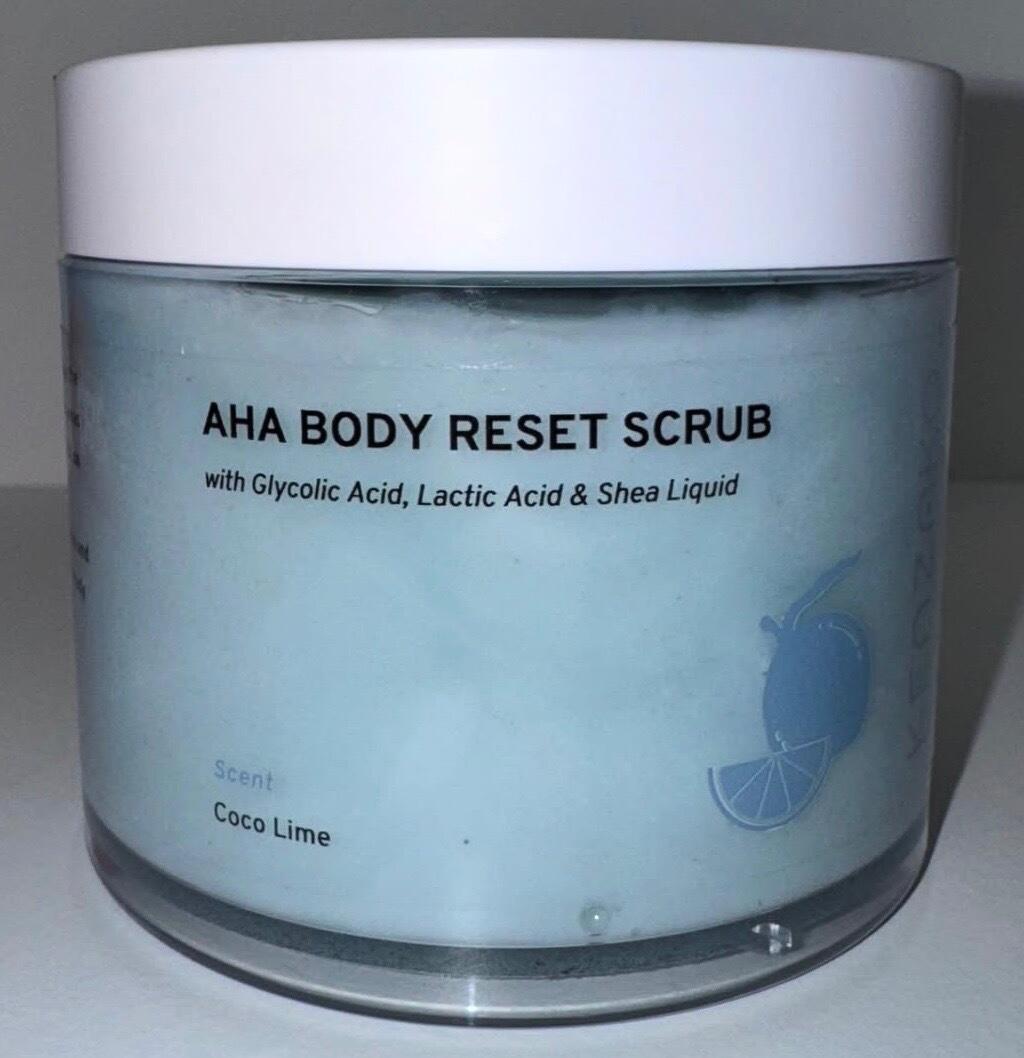
Just like facial skin, body skin benefits from consistent exfoliation, hydration, and barrier support.
The skin on your body deserves attention too.
The Role Of Lifestyle In Skin Health
One of the biggest lessons I've learned over the years is that skin health extends beyond skincare products.
Factors that influence skin health include:
-
Nutrition
-
Sleep
-
Stress
-
Hydration
-
Physical activity
-
Hormonal health
-
Gut health
Skincare is important.
But it's only one piece of the puzzle.
Healthy skin is influenced by both internal and external factors.
What I Focus On After 40
If I could give one piece of advice, it would be this:
Focus on supporting your skin rather than fighting it.
That means prioritising:
-
Consistent hydration
-
Skin barrier support
-
Daily sun protection
-
Gentle exfoliation
-
Quality sleep
-
Balanced nutrition
-
Long-term habits
The goal isn't to look twenty again.
The goal is to support healthy, resilient skin at every stage of life.
What Nearly 20 Years Has Taught Me
After working in skincare and consumer health for almost two decades, I've learned that ageing isn't something to fear.
It's something to understand.
Many of the changes women experience after 40 are completely normal.
The key is recognising that your skin's needs evolve over time.
The routine that worked at 25 may not be the routine that serves you best at 45.
And that's okay.
Healthy skin isn't about perfection.
It's about understanding what your skin needs and supporting it consistently.
Final Thoughts
If your skin feels different after 40, you're not imagining it.
Changes in collagen production, skin renewal, barrier function, and hormones all play a role in how skin looks and behaves over time.
The good news is that understanding these changes empowers you to make more informed decisions about your skincare, lifestyle, and overall skin health.
Because when you understand the science behind your skin, you're far more likely to work with it rather than against it.
About The Author
Hanna is the founder of KenzaKo and has spent nearly 20 years working within the pharmaceutical, vitamin, and skincare industries. She is passionate about helping women understand skin health through evidence-based education, ingredient knowledge, and holistic wellness practices.